Brick vs. Stone Tuckpointing: Key Differences for Commercial Projects
People searching for brick vs. stone tuckpointing: key differences for commercial projects are often looking to improve masonry durability and appearance, and local contractors can help determine the best approach.
If you’re exploring options for tuckpointing on commercial properties, understanding the differences between brick and stone tuckpointing is essential. Property owners in the area often consider these choices to enhance the durability, appearance, and overall value of their buildings. Whether updating aging facades or ensuring structural integrity, knowing how each material responds to wear and weather can influence maintenance decisions and long-term planning. Local contractors who specialize in tuckpointing services are well-versed in these distinctions and can help determine the best approach for your specific project.
Continuing to learn about brick versus stone tuckpointing can provide practical insights into the unique benefits and limitations of each material. This knowledge can assist property owners in making informed choices that align with their building’s style, function, and longevity. Local service providers are equipped to handle the nuances of both options, ensuring that the work not only improves appearance but also supports the building’s structural health. Keep reading to gain a clearer understanding of these key differences and how they relate to the expertise available nearby.
- Commercial brick buildings - when brick tuckpointing is needed to repair or restore mortar joints in large-scale structures, local contractors focus on matching existing mortar and ensuring durability.
- Stone facades on commercial properties - for projects requiring stone tuckpointing, service providers emphasize preserving the natural appearance and structural integrity of the stonework.
- Brick or stone walls in historic commercial districts - local pros approach each project with careful attention to preserving original materials while addressing deterioration.
- Restoration of masonry in retail or office complexes - when addressing aged or damaged mortar, service providers select techniques suited to either brick or stone to maintain aesthetic consistency.
- New construction involving brick or stone features - for commercial projects incorporating brick or stone elements, local contractors utilize specialized tuckpointing methods to ensure long-lasting results.
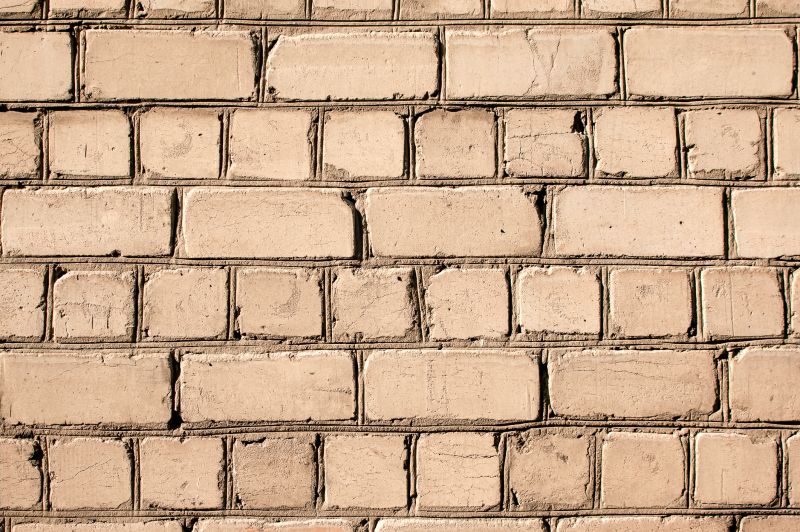
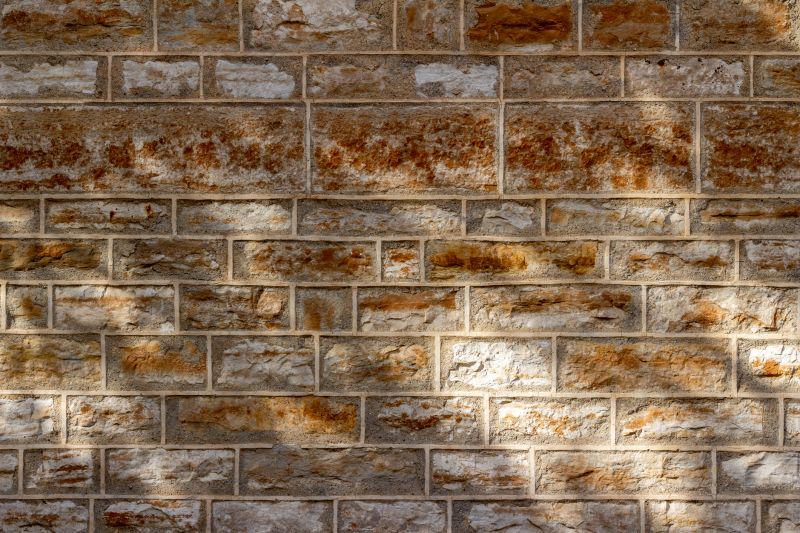
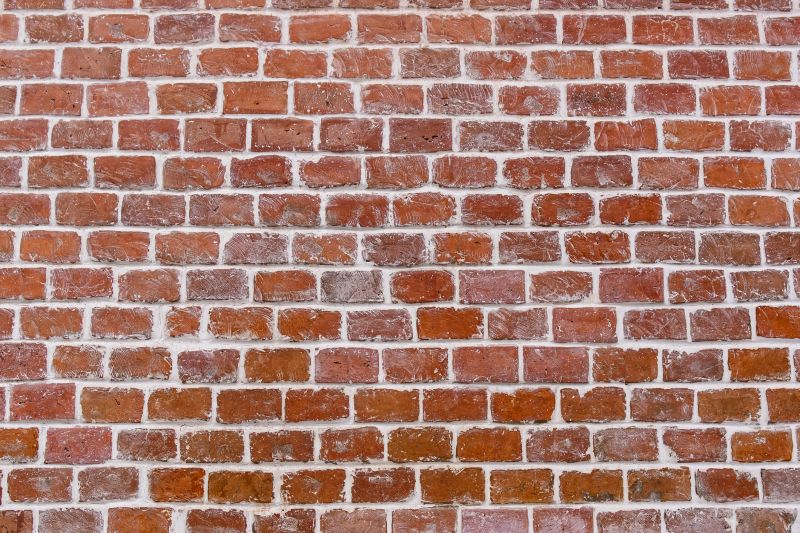
When searching for information on brick vs. stone tuckpointing for commercial projects, most people are looking to understand the fundamental differences between these two masonry restoration techniques. The focus is often on how each method impacts the appearance, durability, and overall longevity of building exteriors. Property owners and managers typically want to know which approach best suits their specific structure, especially when dealing with older or historic commercial buildings. This search may stem from plans to repair, restore, or upgrade facades, or from concerns about structural integrity and aesthetic consistency. Understanding these differences helps property owners make informed decisions about working with local contractors who specialize in either brick or stone tuckpointing.
The topic of brick vs. stone tuckpointing is closely related to various property problems and renovation plans. For example, buildings with deteriorating mortar joints, cracked masonry, or water infiltration issues often require tuckpointing as a solution. Commercial properties such as office buildings, retail centers, warehouses, or industrial facilities frequently feature brick or stone exteriors that need maintenance to prevent further damage. Property owners may also be considering tuckpointing to improve curb appeal or to preserve historic features in older structures. When planning such projects, understanding whether brick or stone tuckpointing is more appropriate helps ensure the repair work is effective and long-lasting. Local service providers who are experienced in these materials can evaluate the specific needs of each property and recommend the best approach.
The types of properties that commonly come up in discussions about brick vs. stone tuckpointing tend to be commercial in nature, especially those with substantial masonry facades. Brick buildings are prevalent in urban areas and often serve as retail outlets, office spaces, or multi-family housing. Stone exteriors are common on more historic or upscale commercial properties, such as government buildings, churches, or luxury retail spaces. These properties typically require specialized tuckpointing techniques due to the differences in material composition and structural considerations. Property owners of these structures may seek out local contractors with expertise in either brick or stone work to ensure that the repair methods match the original construction. Properly performed tuckpointing can restore the building’s appearance and reinforce its structural integrity for years to come.
Understanding the key differences between brick and stone tuckpointing is essential for property owners and managers involved in commercial projects. Brick tuckpointing generally involves replacing or repairing mortar joints in brick walls, which can be more straightforward due to the uniformity of bricks. Stone tuckpointing, on the other hand, often requires more specialized techniques because of the irregular shapes and sizes of stones, as well as their unique bonding properties. Choosing the right service provider who understands these distinctions ensures the repair work aligns with the original construction and withstands environmental stresses. Local pros experienced in either material can assess the specific needs of a project, recommend suitable methods, and execute the work to preserve both the appearance and the structural soundness of the building.
Brick Restoration Projects - local contractors skilled in brick restoration can handle projects that require matching new mortar to existing brickwork, similar to tuckpointing for aesthetic consistency in commercial buildings.
Stone Masonry Repairs - professionals experienced in stone masonry repairs work with natural stone materials, making their skills applicable to stone tuckpointing and preserving historic or decorative stone facades.
Facade Repointing Services - service providers specializing in facade repointing focus on restoring mortar joints, which aligns with the techniques used in both brick and stone tuckpointing for structural integrity.
Historic Building Preservation - local pros involved in historic preservation projects are familiar with traditional masonry techniques, including tuckpointing, to maintain authenticity in commercial restorations.
Cement and Mortar Repair - contractors skilled in cement and mortar repairs can address issues in mortar joints, a core aspect of tuckpointing for both brick and stone surfaces.
Exterior Masonry Cleaning - professionals providing masonry cleaning services often perform surface preparation essential for tuckpointing projects, ensuring proper adhesion and longevity of repairs.
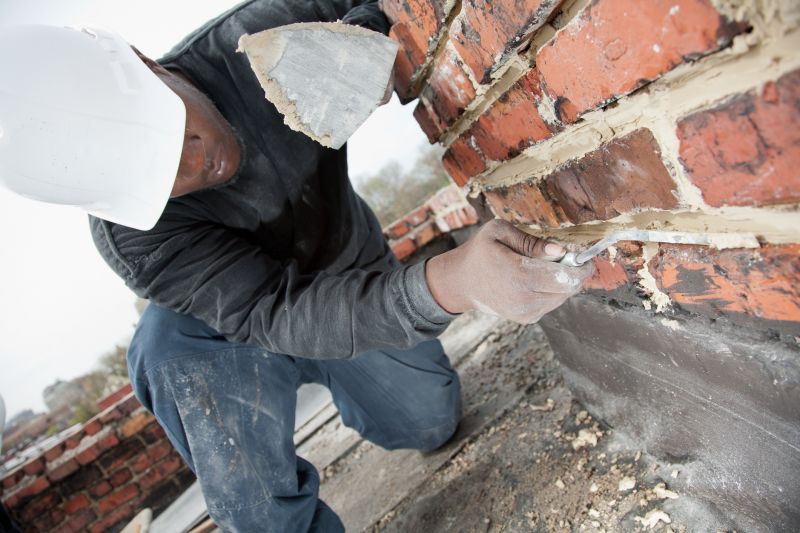
When evaluating service providers for brick vs. stone tuckpointing, it is essential to consider their experience with similar commercial projects. Contractors who have a proven track record working with both brick and stone materials can better understand the unique challenges and techniques required for each. Asking for examples of past work or references related to projects of comparable size and scope can help determine if a contractor has the necessary expertise to handle the specific demands of commercial tuckpointing. An experienced professional will be familiar with the differences in material properties and can recommend the most appropriate approach for long-lasting results.
Clear, written expectations are vital when comparing local contractors for tuckpointing services. A detailed scope of work should outline the specific tasks, materials to be used, and any relevant project requirements. Having this information in writing ensures that both parties are aligned on what the project entails, reducing the risk of misunderstandings or surprises during the work process. Well-defined expectations also provide a basis for evaluating bids and assessing whether a contractor’s approach aligns with the project’s needs, especially when considering the nuances between brick and stone tuckpointing for commercial settings.
Reputable references and effective communication are key indicators of a reliable service provider. Contractors who can provide references from previous clients-particularly those with similar commercial projects-offer insights into their professionalism, quality of work, and reliability. Good communication throughout the process, from initial inquiries to project completion, helps ensure that expectations are managed and any questions or concerns are addressed promptly. Choosing a local contractor known for transparent communication and positive references can contribute to a smoother experience and a successful outcome for projects involving brick vs. stone tuckpointing.
Property owners often search for brick vs. stone tuckpointing: key differences for commercial projects when they are planning practical projects around their homes and businesses. Local pros provide Brick vs. Stone Tuckpointing services for everyday jobs and straightforward project options.
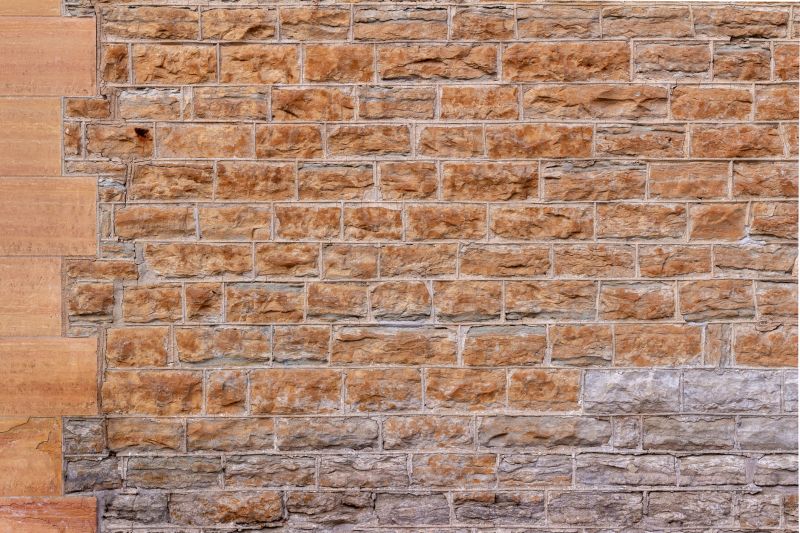
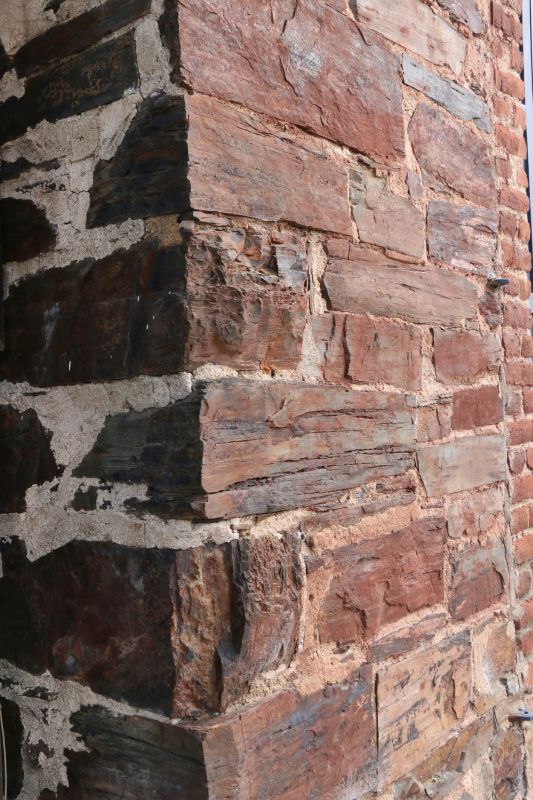
Understanding the differences between brick and stone tuckpointing is a common concern for property owners involved in commercial projects. Many look up this topic to determine which material best suits the structural and aesthetic needs of their buildings. Local contractors who specialize in tuckpointing can provide guidance on the specific advantages and considerations of each material, helping owners make informed decisions based on the style, durability, and maintenance requirements of their properties.
In everyday project situations, property owners often want to know which type of tuckpointing will last longer or require less upkeep. Brick tuckpointing tends to be more cost-effective and easier to work with for certain styles, while stone tuckpointing offers a more natural appearance and may be better suited for buildings with historic or unique stone features. Local service providers can assess the condition of existing masonry and recommend the most suitable approach, ensuring the project enhances the building’s appearance and longevity.
What are the main differences between brick and stone tuckpointing for commercial projects? Brick tuckpointing typically involves repairing the mortar joints in brick walls, while stone tuckpointing focuses on restoring the mortar in stone masonry. Local contractors can advise on which material requires more attention based on the structure’s composition and condition.
How does the choice between brick and stone affect the tuckpointing process? The material influences the tools and techniques used; brick may require specific mortar mixes to match existing joints, whereas stone often needs careful matching to the natural stone’s appearance. Local service providers can determine the best approach for each material.
Are there differences in durability between brick and stone tuckpointing repairs? Generally, both materials can be durable when properly maintained, but stone may be more susceptible to weathering depending on its type. Local pros can assess the condition and recommend repairs to maximize longevity.
Can local contractors handle tuckpointing on both brick and stone structures? Yes, experienced local service providers are equipped to perform tuckpointing on both brick and stone surfaces, ensuring that the repairs are suitable for each material’s unique characteristics.
Why is it important to choose a contractor familiar with brick vs. stone tuckpointing? Different materials require specific techniques and mortar types; selecting a contractor experienced in both ensures that the repair work maintains the structural integrity and aesthetic appeal of the building.
Understanding material differences - Property owners can explore how brick and stone materials vary in appearance and durability to choose the best option for their commercial projects with help from local contractors.
Assessing project scope - Deciding whether brick or stone tuckpointing is more suitable for restoring or enhancing building facades can be guided by local pros based on the structure’s design and condition.
Matching aesthetic styles - Property owners can consider the visual impact of brick versus stone tuckpointing to ensure the renovation aligns with the building’s architectural style, with advice from local service providers.
Evaluating long-term performance - Understanding how each material responds to weather and wear helps property owners plan for maintenance and select the most durable option with assistance from local contractors.
If you are thinking about brick vs. stone tuckpointing: key differences for commercial projects for a property, this guide is meant to help you understand this topic, the typical project types, and how different options might fit your plans.
When you are ready, you can use the quote form on this page to share a few details about your project. From there, local pros can review the basics and follow up with options that match what you have in mind.