Spring Tuckpointing Projects with Trusted Local Service Providers
Spring is the perfect time for property owners to plan tuckpointing projects with trusted local contractors focused on enhancing durability and curb appeal.
Spring is a popular season for considering tuckpointing projects due to the natural cycle of property maintenance and renewal. As the weather warms and outdoor activities resume, property owners often assess the condition of their buildings’ masonry features. This period provides an ideal opportunity to address issues such as cracked or deteriorating mortar joints, which can become more apparent after winter's freeze-thaw cycles. Planning tuckpointing work in spring allows for repairs to be completed before the more active summer months, helping to preserve the structural integrity and aesthetic appeal of brick or stone surfaces.
Tuckpointing services typically involve the careful removal of damaged or deteriorated mortar from between bricks or stones, followed by the precise application of fresh mortar to restore stability and appearance. The process often includes cleaning the masonry, matching the new mortar to the existing material for a seamless look, and ensuring proper bonding to prevent future deterioration. Property owners can expect local contractors to evaluate the condition of their masonry, recommend appropriate repair techniques, and execute the work with attention to detail. Proper tuckpointing not only enhances curb appeal but also helps protect structures from water infiltration and further damage.
When comparing local options for tuckpointing services, property owners should consider the experience and reputation of service providers in their area. It’s helpful to review the scope of services offered, including whether they handle both minor repairs and extensive restoration projects. Asking for references or examples of previous work can provide insight into the quality of craftsmanship. Additionally, understanding the methods and materials used can ensure that the chosen contractor’s approach aligns with the specific needs of the property. By gathering information and comparing local contractors, property owners can find skilled service providers suited to their project requirements and ensure the longevity of their masonry features.
Evaluate local contractors' experience and expertise to ensure your spring tuckpointing project meets your priorities.
- Expert Tuckpointing Services - Local contractors can assess and improve the appearance and stability of brickwork.
- Spring Inspection and Maintenance - Seasonal checks help identify areas needing tuckpointing before issues worsen.
- Repair and Restoration Solutions - Service providers offer targeted repairs to address mortar deterioration and cracks.
- Quality Craftsmanship - Skilled professionals ensure durable results that enhance the longevity of brick structures.
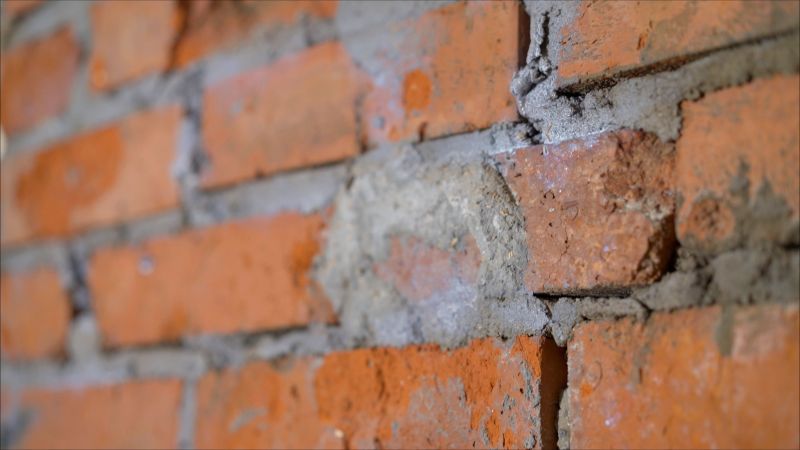
Before comparing options, clearly describe your tuckpointing project to help local contractors recommend the best approach.
- Inspect mortar joints for cracks or deterioration that may need attention. Look for signs of crumbling or missing mortar that can compromise the wall’s integrity.
- Check for loose or damaged bricks that may indicate underlying issues with the tuckpointing. Identify areas where bricks are shifting, cracked, or falling out.
- Examine the overall appearance of the mortar lines for unevenness or discoloration. Uneven or discolored mortar can be a sign of aging or water damage.
- Look for mortar joints that have gaps or holes that could allow moisture infiltration. Gaps in the mortar can lead to further structural problems if left unaddressed.
- Assess the condition of the surrounding brickwork for signs of water damage or staining. Water stains or efflorescence may indicate moisture issues that tuckpointing can help resolve.
- Consider the age of the existing mortar to determine if a repair or complete repointing is necessary. Older mortar may require replacement to restore the wall’s stability and appearance.
Use this as a springboard to clarify your project scope while exploring options with trusted local contractors.
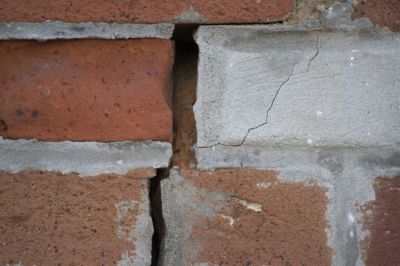
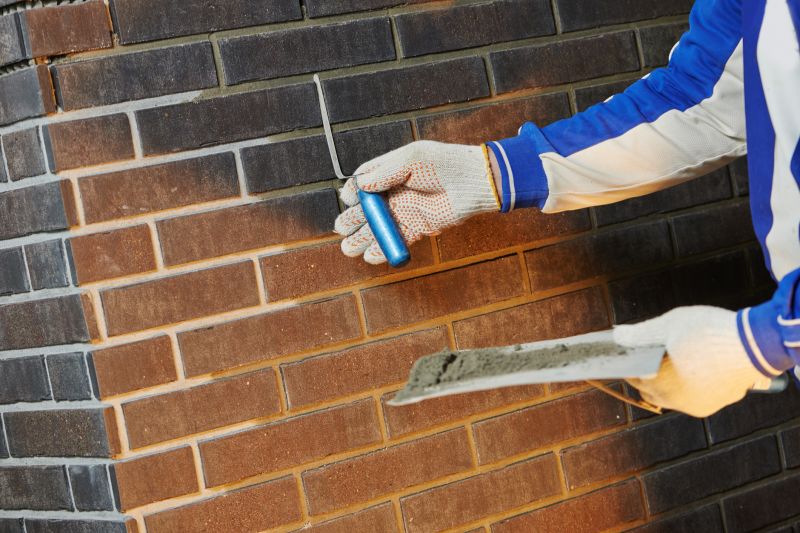
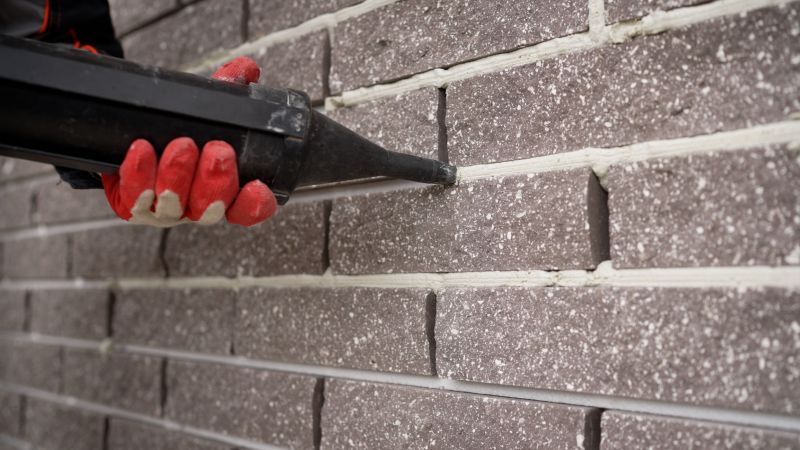
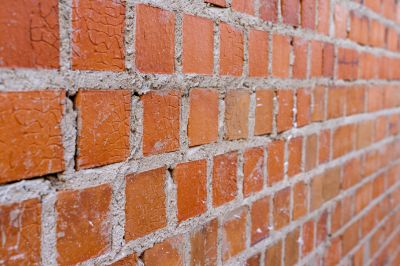
Prioritize your project needs and compare local contractors to find the best fit for your spring refresh.
- Spring Inspection and Assessment - Spring is an ideal time to have professionals evaluate the condition of existing tuckpointing to identify any damage or deterioration. Local contractors can provide thorough inspections to determine necessary repairs or restoration needs.
- Repointing for Seasonal Weather Readiness - As weather changes, tuckpointing can be reinforced or refreshed to protect masonry from spring rain and moisture. Service providers can handle the repointing process to ensure the structure is weather-resistant.
- Cleaning and Surface Preparation - Spring cleaning of masonry surfaces includes removing dirt, moss, and debris that may have accumulated over winter. Local pros can prepare the surface for any repair or restoration work needed.
- Repair of Cracks and Damage - Spring is a practical time to address any cracks or damage caused by winter stresses, with local contractors offering repair services to restore the integrity of the masonry.
- Preventative Maintenance Planning - Planning ongoing tuckpointing maintenance during spring helps protect masonry structures throughout the warmer months. Service providers can assist in developing a maintenance plan tailored to seasonal needs.
Compare service providers' scope of work to ensure consistent quality and coverage for your spring tuckpointing project.
- Surface Preparation - define the methods for cleaning and preparing the existing mortar joints before tuckpointing.
- Material Selection - specify the types of mortar and tools suitable for matching the existing masonry work.
- Repair Scope - outline the areas and extent of mortar joint replacement required for the project.
- Protection Measures - identify measures to safeguard surrounding surfaces and landscaping during tuckpointing.
- Cleanup Procedures - establish the steps for removing debris and excess mortar after work completion.
When comparing service providers for tuckpointing projects during the spring season, it’s important to consider the level of experience each local contractor brings to similar masonry or restoration work. Homeowners should look for professionals who have a proven track record with projects comparable in scope and complexity, ensuring they understand the nuances of working with existing mortar joints and historic or decorative brickwork. An experienced contractor can better anticipate potential challenges that may arise during the project, leading to a smoother process and a more durable result.
Clear communication about the scope of work is essential when evaluating options. Homeowners should seek out service providers who can articulate a detailed plan that specifies the extent of tuckpointing, the materials to be used, and the techniques involved. Having a transparent, written scope helps prevent misunderstandings and ensures everyone is aligned on expectations. It also provides a basis for comparing different contractors’ approaches, making it easier to identify which professionals have a comprehensive understanding of the project requirements.
Work planning considerations are especially relevant in the spring, as fluctuating weather conditions can impact masonry work. Homeowners should inquire about how local contractors plan their schedules around unpredictable spring weather, and whether they have contingency plans to protect the work site from rain or temperature swings. Additionally, understanding how contractors prepare the site, manage safety protocols, and coordinate their crews can help in assessing their professionalism and readiness to deliver quality results within seasonal constraints.
Evaluating options without focusing on pricing involves examining each service provider’s reputation, communication style, and approach to project planning. Homeowners can review references or past project examples, ask about their process for assessing and preparing the work area, and gauge their responsiveness to questions. Comparing how clearly each contractor explains their methods and how they address potential challenges can reveal their level of expertise and commitment to quality. This process helps identify professionals who are well-equipped to handle the project efficiently and effectively during the spring season.
Request written details to ensure clarity and consistency in the scope of your spring tuckpointing project.
- Spring Maintenance - How can local contractors help assess and refresh tuckpointing to prepare for the season?
- Scope Clarification - What specific areas or types of masonry should be included in a tuckpointing project during spring?
- Material Options - What materials and techniques do service providers recommend for effective spring tuckpointing repairs?
- Comparison Factors - How do local contractors differ in their approach to defining the scope of tuckpointing work in spring?
- Seasonal Planning - What questions should be asked to ensure the tuckpointing scope aligns with spring renovation or preservation goals?
What is tuckpointing? Tuckpointing is a masonry repair process that involves removing damaged mortar and replacing it to restore the appearance and integrity of brick or stone walls.
Why consider tuckpointing in spring? Spring is a popular time for masonry projects because it allows repairs to be completed before summer, helping to protect structures from seasonal weather changes.
How do I know if my brickwork needs tuckpointing? Signs include cracked, crumbling, or missing mortar, as well as visible gaps or deterioration in the mortar joints that can compromise structural stability.
What should I expect during a tuckpointing project? Local contractors typically assess the condition of the mortar, carefully remove damaged sections, and apply fresh mortar to improve both appearance and durability.
Are there different styles of tuckpointing? Yes, tuckpointing can be done to match existing mortar color and profile, ensuring repairs blend seamlessly with the original masonry.
How can I find qualified local contractors for tuckpointing? This website helps connect homeowners with experienced service providers in the area who specialize in masonry repairs like tuckpointing.
Spring is a great time to consider tuckpointing as part of your home’s seasonal refresh. This essential masonry repair helps maintain the integrity of brick and stone surfaces, preventing water intrusion and enhancing curb appeal. By exploring options for tuckpointing services, homeowners can ensure their property remains both attractive and structurally sound through the seasons ahead.
To find the right fit for your project, use the quote form to compare local contractors who specialize in tuckpointing. Connecting with experienced service providers in your area can help you gather the information needed to make an informed decision and select the best professional for your home’s needs.
Providing clear details about your tuckpointing project helps local contractors understand your needs and connect you with the right service providers.
- Experience - Share details about your current masonry or brickwork that may need attention.
- Project scope - Describe the areas or structures where tuckpointing services are required.
- Material preferences - Indicate any specific materials or styles you prefer for the tuckpointing work.
- Location details - Provide information about the property’s location to help connect with nearby contractors.