How Deteriorated Mortar Affects Building Safety and Longevity
People searching for mortar repair are typically looking to restore building safety and longevity by fixing deteriorated mortar, which local contractors can expertly handle.
If you own a property in the area, understanding how deteriorated mortar impacts building safety and longevity is an important step in maintaining its value and integrity. Over time, mortar can weaken due to exposure to weather, age, or poor initial application, leading to cracks and gaps that compromise the structure. Recognizing the signs of mortar deterioration early can help property owners prevent more serious issues down the line, such as water infiltration or structural instability. Local contractors who specialize in mortar repair can assess the condition of your masonry and recommend practical solutions to restore stability and extend the life of your building.
Exploring this topic is especially relevant for those concerned about the long-term durability of their properties. Deteriorated mortar not only affects aesthetic appeal but also plays a critical role in the overall safety of a structure. When mortar weakens, it can lead to loose bricks or stones, increasing the risk of damage during storms or other extreme conditions. Fortunately, experienced service providers in the area offer mortar repair services that can address these issues efficiently. Keeping your masonry in good condition is a key step in safeguarding your property’s safety and ensuring it remains a solid, lasting investment.
- Repointing Projects - when mortar joints show signs of crumbling or cracking, local contractors can restore stability to prevent further deterioration.
- Repointing Projects - if mortar has lost adhesion, local service providers use specialized techniques to replace damaged mortar and reinforce the structure.
- Repointing Projects - in cases of extensive mortar erosion, local pros assess the integrity of the masonry and perform repairs to maintain building safety.
- Repointing Projects - when mortar deterioration threatens the overall longevity of a building, local contractors focus on precise repointing to preserve the structure’s durability.
- Repointing Projects - if signs of mortar decay are visible, local service providers can perform targeted repairs to prevent water infiltration and structural issues.
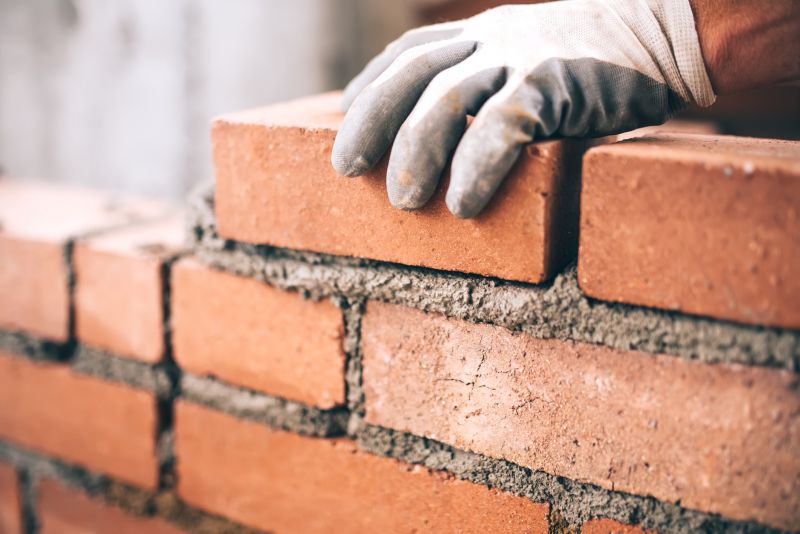
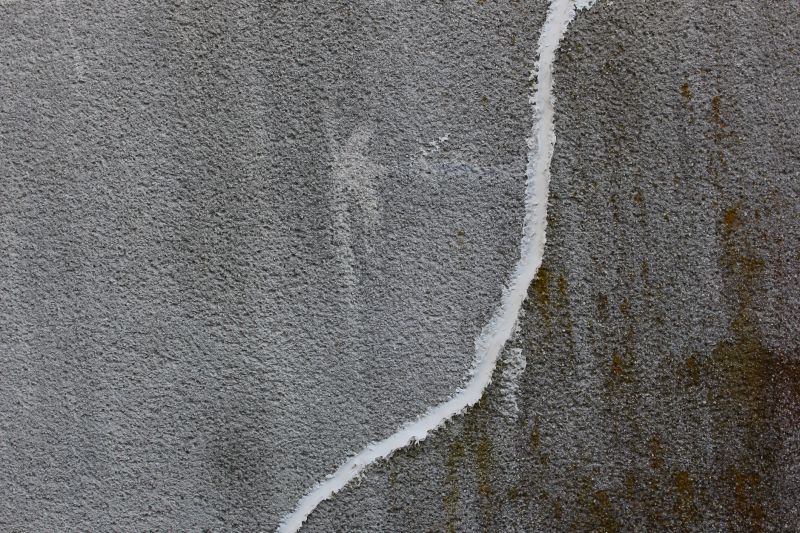
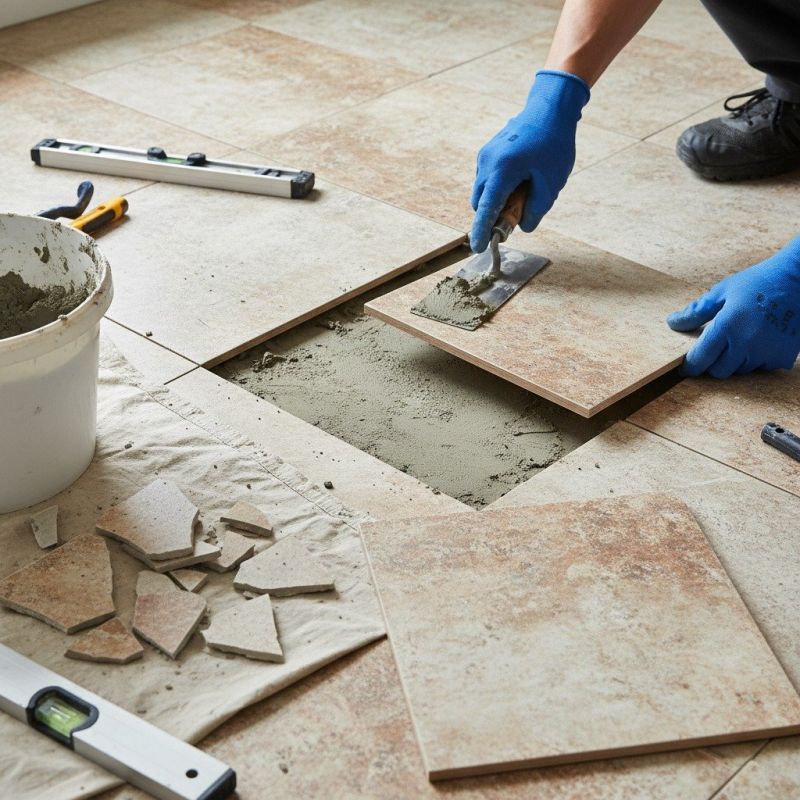
When people search for information about how deteriorated mortar affects building safety and longevity, they are typically concerned about the structural integrity of their properties. Mortar is the material used to fill the gaps between bricks, stones, or blocks, providing stability and weather resistance. Over time, exposure to moisture, temperature changes, and general wear can cause mortar to weaken, crack, or crumble. Homeowners often want to understand how this deterioration might compromise the safety of their buildings, especially if they notice crumbling joints or loose masonry. Recognizing the signs of mortar decay early can help prevent more serious problems that threaten the stability of the entire structure.
This topic is closely related to ongoing maintenance and repair planning for properties that rely on masonry construction. Deteriorated mortar can lead to a range of issues, such as water infiltration, which can cause internal damage and mold growth. It can also result in loose or shifting bricks, increasing the risk of structural failure over time. Homeowners considering repairs or renovations often seek guidance on whether mortar repair is necessary and how it impacts the longevity of their property. Addressing mortar deterioration promptly can extend the lifespan of a building, prevent costly repairs, and maintain its safety and appearance.
The types of properties most commonly associated with concerns about deteriorated mortar include older homes, historic buildings, and structures exposed to harsh weather conditions. Residential properties built with brick or stone veneer are often affected, especially if the mortar has not been maintained or replaced over the years. Commercial buildings, such as retail storefronts or multi-unit residences, can also experience issues if mortar joints weaken, leading to safety hazards or code violations. These properties typically require specialized attention to restore the integrity of the masonry and ensure ongoing safety, making the role of local contractors vital in providing effective mortar repair solutions.
Understanding how deteriorated mortar impacts building safety and longevity helps homeowners make informed decisions about maintenance and repair. When mortar begins to crumble or crack, it can accelerate the deterioration of the entire masonry system, increasing vulnerability to water damage, structural shifts, and even collapse in extreme cases. Local service providers who specialize in mortar repair can assess the condition of masonry joints, recommend appropriate restoration methods, and help preserve both the safety and lifespan of a property. Properly maintained mortar not only supports the stability of a building but also protects it from future damage, making timely repairs an essential part of property upkeep.
Brick Restoration Projects - these projects often require expertise in mortar matching and repointing to restore structural integrity, similar to mortar repair services addressing deterioration issues.
Historical Building Preservation - preserving historic structures involves careful mortar analysis and repair to maintain building safety and longevity, paralleling mortar deterioration mitigation.
Stone Masonry Repair - repairing and restoring stonework often involves repointing and mortar replacement, making it closely related to addressing mortar deterioration's effects on stability.
Foundation Waterproofing - ensuring foundation stability involves identifying and repairing cracks and deteriorated mortar that could compromise building safety over time.
Chimney Repointing Services - maintaining chimney safety requires repointing and repairing mortar joints, similar to services focused on preventing deterioration-related structural issues.
Structural Crack Repair - fixing cracks in walls and masonry involves assessing mortar condition and applying repairs that contribute to overall building longevity and safety.
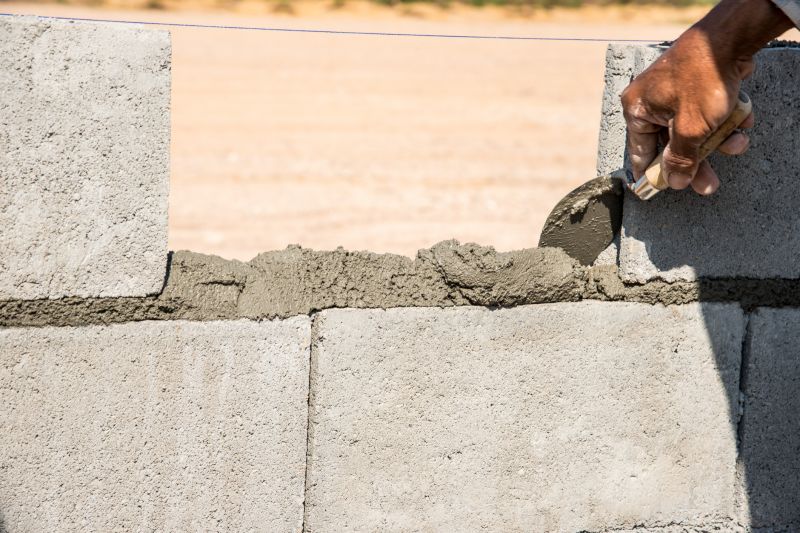
When evaluating potential service providers for mortar repair, it is important to consider their experience with similar projects. Homeowners should inquire about the types of buildings or structures the contractor has worked on and whether they have handled issues related to deteriorated mortar that impacts building safety and longevity. An experienced contractor will have a better understanding of the specific challenges posed by mortar deterioration and will be more capable of recommending appropriate repair solutions that address the root causes of the problem.
Clear, written expectations are essential when comparing local contractors. Homeowners should seek detailed proposals that outline the scope of work, the materials to be used, and the expected outcomes related to repairing deteriorated mortar. This clarity helps ensure that both parties are aligned on the project goals and reduces the risk of misunderstandings. Well-documented expectations also serve as a reference throughout the repair process, making it easier to evaluate whether the work meets the initial specifications and addresses concerns about building safety and longevity.
Reputable references and good communication are key indicators of a reliable service provider. Homeowners are encouraged to ask for references from previous clients who had similar mortar issues and to verify the quality of the contractor’s work. Additionally, effective communication-such as prompt responses to questions and transparent explanations of repair methods-can greatly influence the overall experience. Service providers who prioritize clear communication and have positive references are more likely to deliver results that effectively restore the integrity of the building and help prevent future deterioration that could compromise safety and longevity.
Property owners often search for how deteriorated mortar affects building safety and longevity when they are planning practical projects around their homes and businesses. Local pros provide Mortar Repair services for everyday jobs and straightforward project options.
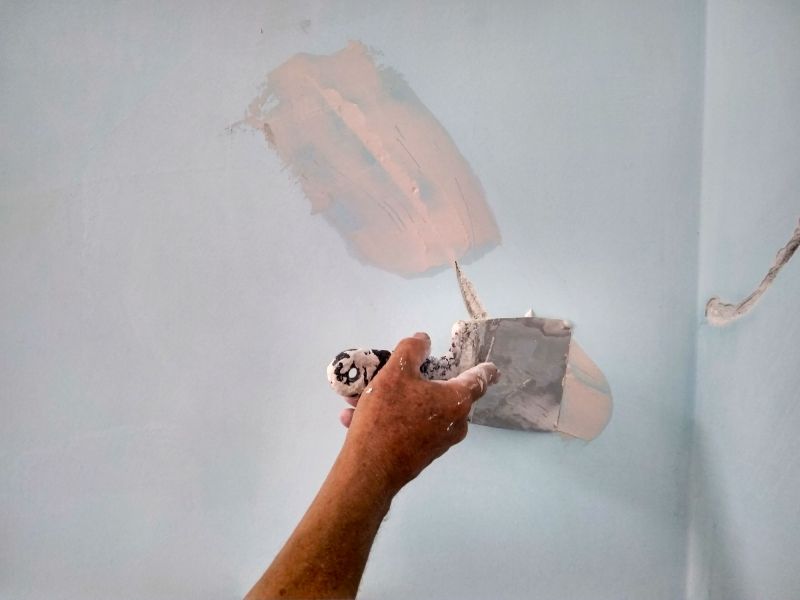
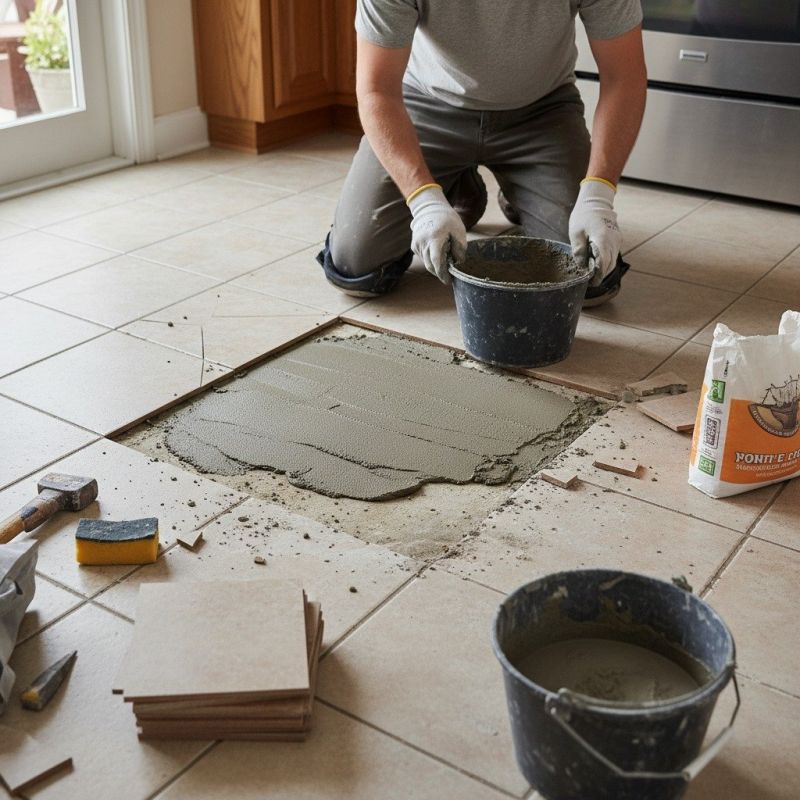
Deteriorated mortar can pose significant risks to the safety and stability of a building, especially in older or historic structures. When mortar begins to break down or crack, it compromises the integrity of the entire wall system, making it more vulnerable to damage from weather, pests, and everyday wear and tear. Property owners in the area often seek mortar repair services to prevent further deterioration, which can lead to costly repairs or even structural failure if left unaddressed.
Understanding how deteriorated mortar affects building safety and longevity highlights the importance of timely repairs. Local contractors who specialize in mortar restoration can assess the condition of existing mortar joints and provide effective solutions to restore strength and stability. Properly maintained mortar not only preserves the appearance of a building but also extends its lifespan, making it a worthwhile investment for property owners looking to protect their structures over time.
How does deteriorated mortar impact building safety? Deteriorated mortar can weaken the structural integrity of a building, increasing the risk of walls and facades becoming unstable or collapsing. Local contractors specializing in mortar repair can assess and restore the mortar to maintain safety standards.
In what ways does mortar deterioration affect building longevity? Over time, damaged mortar allows moisture and pests to penetrate the structure, accelerating deterioration and reducing the lifespan of the building. Professional mortar repair helps protect the structure and extend its durability.
Why is timely mortar repair important for building safety? Addressing deteriorated mortar promptly prevents further damage to the masonry, which could compromise the building’s stability. Local service providers can perform repairs to reinforce the structure before issues worsen.
How can deteriorated mortar lead to costly repairs later on? If left unaddressed, mortar deterioration can cause cracks and water infiltration, leading to more extensive and expensive repairs down the line. Local pros can repair mortar early to help avoid these costly issues.
What signs indicate that mortar deterioration might be affecting a building’s safety? Visible cracks, crumbling mortar, and water leaks are common signs of deterioration that can threaten a building’s safety. Contacting local contractors for inspection and repair can help maintain the building’s stability and longevity.
Assessing mortar condition - property owners can evaluate visible mortar deterioration to identify areas that need repair, helping local contractors prioritize restoration projects.
Understanding structural risks - knowing how deteriorated mortar impacts building safety encourages proactive repairs to prevent potential structural failures.
Planning for long-term durability - incorporating mortar repair into maintenance routines can extend the longevity of a building by addressing vulnerabilities early.
Choosing appropriate repair methods - selecting the right mortar repair techniques with help from local service providers ensures repairs are effective and compatible with existing materials.
If you are thinking about how deteriorated mortar affects building safety and longevity for a property, this guide is meant to help you understand this topic, the typical project types, and how different options might fit your plans.
When you are ready, you can use the quote form on this page to share a few details about your project. From there, local pros can review the basics and follow up with options that match what you have in mind.